The address search returns three entries for the same old deed. Clara keeps looking.
In our county-records demonstration, the next search uses the borrower's name. That brings up a longer list, including mortgages and court documents that didn't appear in the address results. Clara opens the recorded documents and prepares specific follow-ups for the processing team.
This is an anonymized demonstration with fictional file details. You can watch the county-records recording alongside this account.
From an address to a recorded document
The task starts in Miami-Dade's official-records portal. Clara has instructions to investigate recorded obligations using public access, without placing orders or downloading documents.
After the address search, Clara switches to the portal's name search. The results include entries it identifies as belonging to another person or another lot, so a name match alone doesn't settle whether a document belongs in the file.
Then the portal gets in the way. The recording's activity panel reports that card view stops at 33 of the 48 results. Clara takes the recording book and page references from the table and uses the separate book/page search to open individual records.
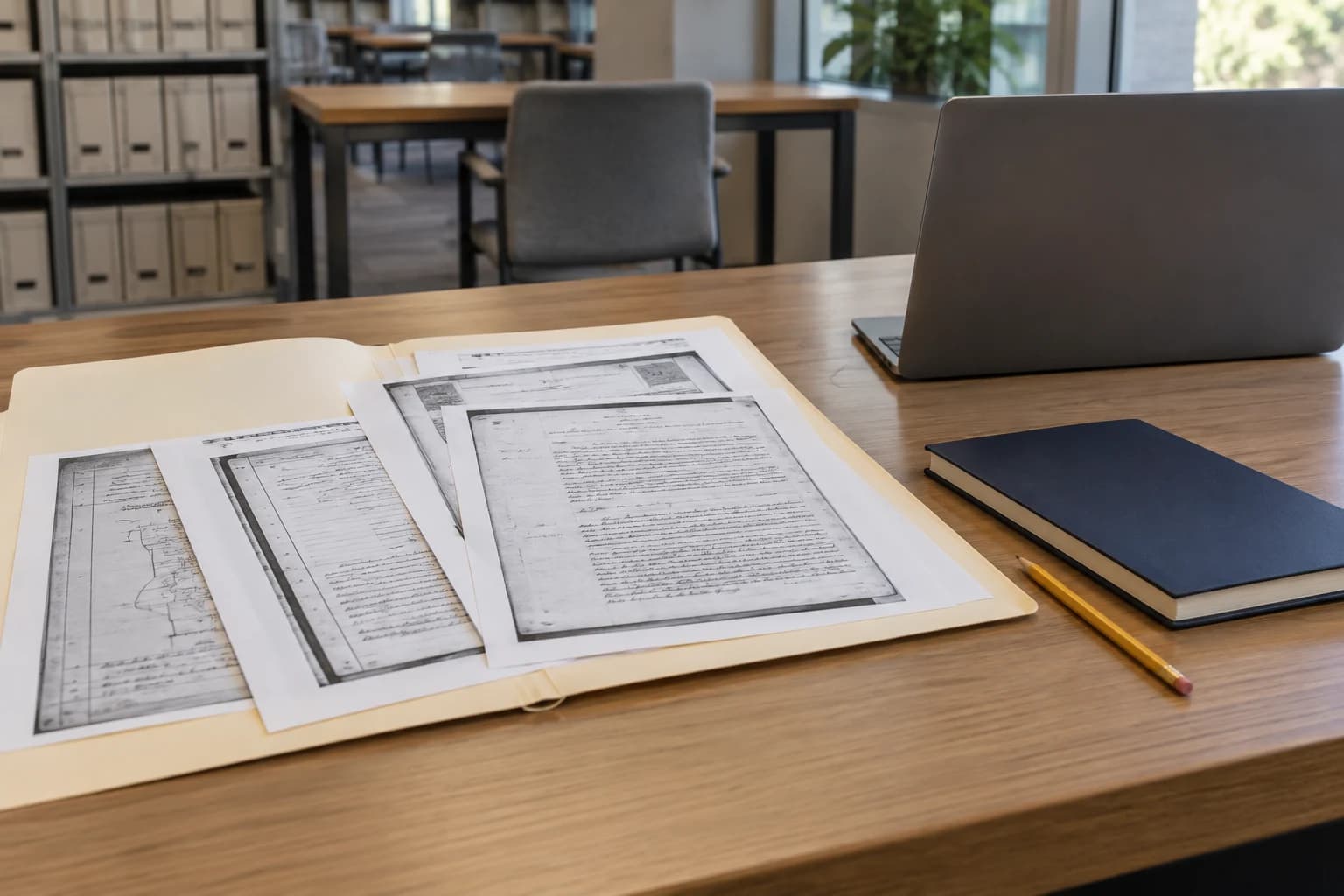
That workaround gets the investigation past the result list. Document images open on screen, including a mortgage, a federal restitution lien and court papers.
Reading beyond the index label
One entry is indexed as “Dade Court Paper.” Opening it reveals a final judgment against a garnishee. The demonstration connects it to an earlier judgment and includes a payoff-letter request in the final follow-up list.
The useful output is specific enough for someone to act on. The closing board calls for a title-company determination on an older judgment, payoff or release information for a federal lien, and review of a mortgage securing a home-equity option agreement. Those requests remain outstanding at the end of the recording.
Miami-Dade's Records Library describes the different records it holds, including mortgages, releases, judgments and civil court orders. It also lists party names, legal descriptions and official-records book/page references among the ways records can be researched. The demonstration shows why more than one search route can be useful on a single assignment.
What the team receives
The final board pairs recorded items with follow-up work. Your team can inspect the documents Clara opened and decide what to request or escalate.
The recording also leaves an unfinished branch visible: a legal-description search returns no results. The demonstration therefore doesn't establish that every relevant record was found. It ends with findings and human follow-ups, without a completed title determination or evidence that the requested payoff and release documents arrived.
For a mortgage operations team, this is a concrete example of Clara working outside the LOS: searching an existing portal, changing its approach when the first route is insufficient, and bringing the underlying documents back into the team's review.